


Request an appointment
All psychotherapy services are provided online using the MS Teams platform. When an appointment is booked, the client receives a message with a link that will launch MS Teams at the scheduled time of the appointment. Clients will also receive a reminder message concerning their appointment approximately 48 hours prior to the scheduled time. MS Teams can be accessed from a number of electronic devices including smartphones, tablets and computers.
As a Clinical Practice instructor, Dr. Sullivan is skilled in several approaches to psychological intervention. Some of these include: Cognitive-Behaviour Therapy (CBT), Behavioural Activation (BA), Cognitive Processing Therapy (CPT), Narrative Exposure Therapy (ET), Emotionally-Focused and Solution-Focused Couple Therapy, and the Progressive Goal Attainment Program (PGAP).
Psychotherapy services are billed on an hourly rate and are based on the service provided. Sessions are 50 minutes long. Fees are paid at the end of each session by e-transfer or credit card. The costs of psychological services are covered by many extended health care plans. Contractual payment arrangements can be made with businesses or organizations. For more information, please contact us.








Fear of Death and PTSD Following Covid-19 Infection.

Pain Catastrophizing: Controversies and Misconceptions

Sex Differences in Rehabilitation Outcomes: The Role of PTSD Symptoms.

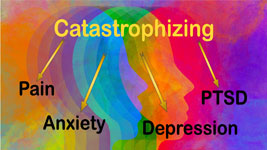
Pain Catastrophizing: A Transdiagnostic Risk Factor.
Post-Injury Perceptions of Injustice: Implications for Intervention

Increasing our Understanding of the Role of Fatigue in Persistent Pain.

Treatment of Co-morbid Pain and Depression

Perceptions of injustice predict the onset of post-traumatic stress symptoms (PTSS) following occupational injury.

Depression, Positive Expectancies and Pain Reduction

Reducing Fatigue Improves Return to Work Outcomes

Do Perceptions of Injustice Cause Depression?

Reducing Alarmist Thinking can Help Recovery from PTSD.

Pain Catastrophizing and Mental Health Problems

Does ‘injustice’ lie in the ‘eye’ of the perceiver?

Targeting disability and depression to reduce perceptions of injustice

Catastrophic thinking reduces quality of life in individuals with osteoarthritis

Expectancies, perceived injustice and return to work following whiplash injury

Returning to work following injury actually promotes recovery from whiplash injury

A treatment approach to promote return to work in individuals with PTSD

The multidimensional nature of pain experience

Reducing psychosocial risk factors helps maintain gains made in pain rehabilitation

Perceived injustice impacts negatively on the working alliance

A brief measure of perceived injustice

A measure of catastrophic thinking suitable for individuals with mental health problems

Dr. Sullivan received his PhD in Clinical Psychology from Concordia University. Over the years, he has worked as a Clinical Psychologist for several organizations and institutions including the Ottawa Rehabilitation Centre, the Atlantic Pain Clinic, and Fenwick Psychological Services.
 Download Dr.Sullivan's CV
Dr. Sullivan has served as a consultant to numerous health and safety organizations, insurance groups as well as social policy and research institutes. He has lectured nationally and internationally on the social and behavioural determinants of delayed recovery.
Dr. Sullivan has worked as expert witness on numerous legal cases of personal injury. He has acted as consultant to more than 25 different legal organizations. He has also worked for governmental organizations involved in the compensation and management of debilitating health and mental health conditions.